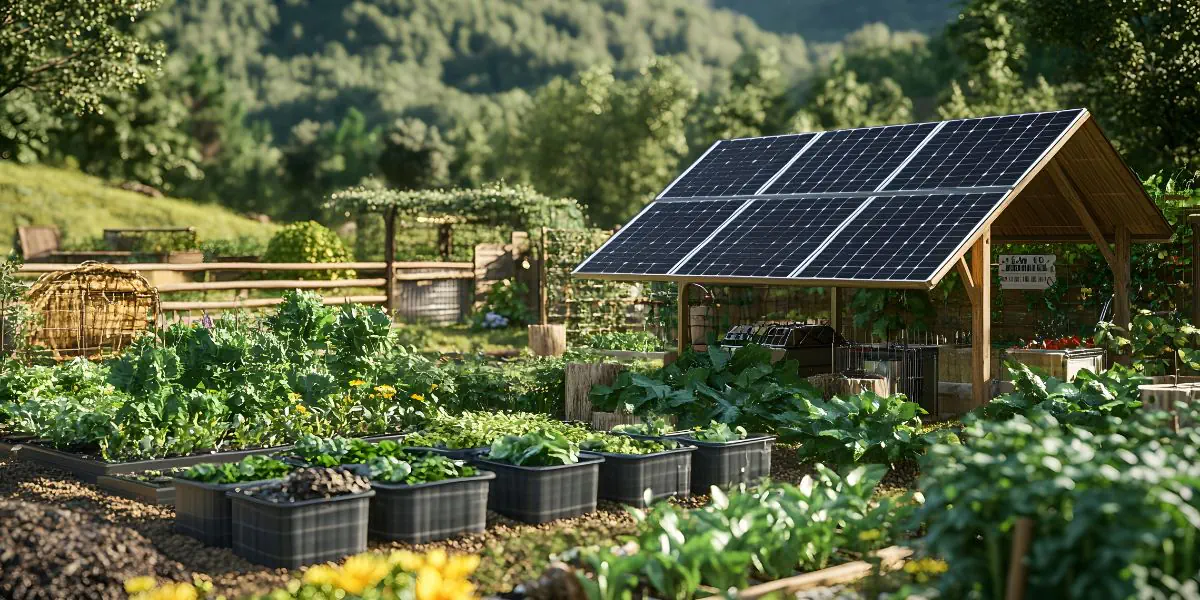
Starting a vegetable garden on your small farm or homestead can be a rewarding endeavor. You’ll want to pick a sunny spot that’s easy to access and drains well. Once you’ve got that, preparing the soil becomes crucial for successful growth. But choosing the right crops to suit your climate and preferences is equally important. Let’s explore the essential steps to ensure your garden flourishes throughout the season.
Choosing the Right Location for Your Garden
Choosing the right location for your vegetable garden is crucial for its success. Start by finding a spot that gets at least six to eight hours of sunlight daily. Sunlight helps your plants grow strong and produce a bountiful harvest.
Next, consider accessibility; you’ll want to reach your garden easily for watering, weeding, and harvesting. Look for a flat area with good drainage to prevent waterlogging, which can harm your plants. Avoid placing your garden near large trees or shrubs that could cast shade or compete for nutrients.
Lastly, think about proximity to your kitchen; having your garden close by makes it easier to gather fresh ingredients for your meals. With the right location, you’ll set a solid foundation for your garden’s success.
Preparing the Soil for Planting
Preparing the soil for planting is one of the most important steps in establishing a thriving vegetable garden.
Start by testing your soil’s pH and nutrient levels to understand its condition. You’ll want to amend it based on the results, adding organic matter like compost or well-rotted manure to improve structure and fertility.
Next, clear the area of weeds, rocks, and debris to give your plants a clean slate.
Tilling or turning the soil helps aerate it, making it easier for roots to grow.
Finally, level the soil and create raised beds or rows if you prefer.
This preparation ensures your plants have the best possible foundation to thrive and produce a bountiful harvest.
Selecting the Best Crops for Your Climate
How do you know which crops will thrive in your garden? Start by researching your local climate zone. This determines your growing season, frost dates, and temperature ranges.
Check the USDA Plant Hardiness Zone Map to pinpoint your zone and find crops suited to your area.
Next, consider the specific conditions in your garden, like soil type and sunlight exposure. Some crops prefer full sun, while others do better in partial shade.
Think about what you and your family enjoy eating. Selecting crops you love not only makes gardening rewarding but also encourages you to stay committed.
Finally, consult local gardening resources or fellow gardeners for advice on what grows well in your region.
Happy planting!
Maintaining Your Vegetable Garden Throughout the Season
As your vegetable garden grows, staying on top of maintenance is essential for a healthy and productive harvest.
Regularly check for pests and diseases; catching issues early can save your plants. Water your garden consistently, aiming for deep watering rather than frequent shallow ones, especially during dry spells.
Mulching helps retain moisture and suppress weeds, so consider adding a layer around your plants. Fertilize according to your crops’ needs, using organic options whenever possible.
Lastly, practice crop rotation and remove any dead or diseased plants promptly to keep your garden thriving.
Conclusion
Starting a vegetable garden on your small farm or homestead can be incredibly rewarding. By choosing the right location, preparing your soil, selecting crops that thrive in your climate, and staying on top of maintenance, you’ll set yourself up for a successful harvest. Embrace the process, learn from your experiences, and enjoy the fresh produce you’ll grow right at home. With a bit of effort and care, your garden can become a vital part of your homesteading journey.
Trending Products