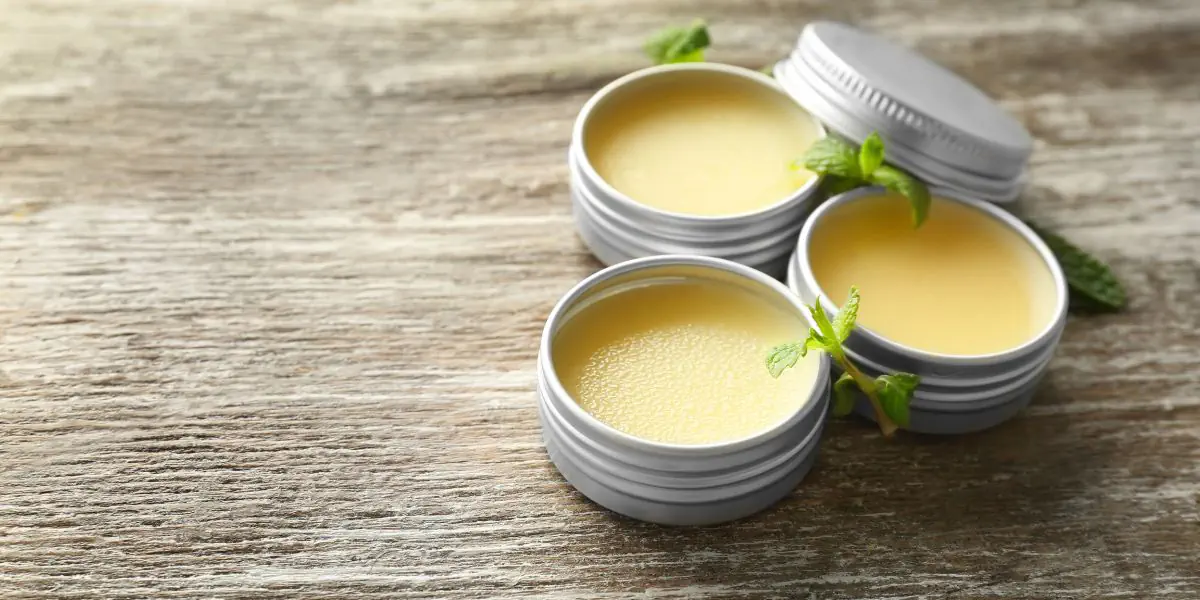
If you’re looking to create your own herbal salves and balms for farm use, you’ll want to start by selecting the right herbs that suit your needs. These natural remedies can address various skin issues and inflammation. Understanding the essential ingredients and the process involved will help you craft effective products. Let’s explore how to gather your materials and make your first batch of herbal salves that could become a staple on your farm.
Choosing the Right Herbs for Your Salve
When you’re choosing the right herbs for your salve, it’s essential to consider the specific benefits each herb offers.
For instance, calendula is known for its soothing properties, making it perfect for skin irritations. If you’re targeting inflammation, look to arnica, which can help reduce swelling and pain.
Lavender not only adds a pleasant scent but also promotes healing and relaxation. You might also consider chamomile for its calming effects on sensitive skin.
It’s crucial to select herbs that align with the intended use of your salve. Think about what issues you want to address and choose accordingly.
Essential Ingredients for Herbal Salves and Balms
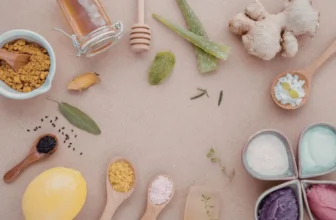
To create an effective herbal salve or balm, you’ll need to gather a few essential ingredients that serve as the foundation for your mixture.
First, you’ll require a carrier oil, like olive or coconut oil, which nourishes the skin and helps extract the properties of your chosen herbs.
Next, beeswax acts as a thickening agent, providing structure and stability while allowing your salve to maintain its shape.
Optionally, you might include essential oils for added fragrance and therapeutic benefits.
Finally, consider adding vitamin E oil; it not only extends shelf life but also offers skin-nourishing properties.
With these ingredients, you’re well on your way to crafting a salve or balm tailored to your needs.
Step-by-Step Guide to Making Your Salve
Now that you’ve gathered your ingredients, it’s time to put them to work. Start by gently heating your carrier oil in a double boiler over low heat.
Once warm, add your chosen herbs and let them infuse for 1-2 hours, stirring occasionally. Strain the oil through a cheesecloth into a clean container, discarding the herb solids.
Next, return the infused oil to the double boiler and add beeswax, using a ratio of about 1:4 (beeswax to oil). Stir until melted and combined.
Remove from heat and quickly pour the mixture into your salve containers. Let it cool completely before sealing.
Your herbal salve is now ready for use, packed with the benefits of your carefully chosen herbs!
Tips for Storing and Using Your Herbal Remedies
While you may have crafted a wonderful herbal salve, proper storage and usage are essential to maintain its efficacy.
Store your salves in a cool, dark place to prevent degradation; amber or cobalt glass jars work well. Always label your containers with the ingredients and date to keep track of freshness.
For optimal results, use clean, dry hands or a spatula when applying your salve to avoid contamination. Remember to perform a patch test before widespread use, especially if you’re trying a new herb. If you notice any irritation, discontinue use immediately.
Lastly, keep your herbal remedies away from direct sunlight and moisture, as these can reduce their potency and shelf life.
Enjoy the healing benefits responsibly!
Conclusion
Making your own herbal salves and balms is a rewarding way to utilize nature’s remedies for farm use. By choosing the right herbs and following the simple steps, you can create effective treatments for various skin issues. Remember to store your salves in a cool, dark place to maintain their potency. With a little practice, you’ll have a handy supply of herbal remedies at your fingertips, ready to soothe and heal when needed. Happy crafting!
Trending Products