Managing a farm involves a delicate balance of tasks that can significantly impact the health of your bees, chickens, and gardens. You start your day with the buzzing of bees and the clucks of chickens, setting the tone for a productive routine. By the afternoon, your focus shifts to nurturing your gardens, ensuring everything thrives. But as the day winds down, there’s more to consider for the well-being of your livestock and the harmony of your farm.
Morning Tasks: Starting the Day With Bees and Chickens
As the sun begins to rise, you’ll want to head out to the apiary and chicken coop to kickstart your day. The bees are buzzing, eager for their morning routine. Open the hive carefully, checking for any signs of activity or issues. You’ll want to ensure they’ve enough food and that the queen’s doing well.
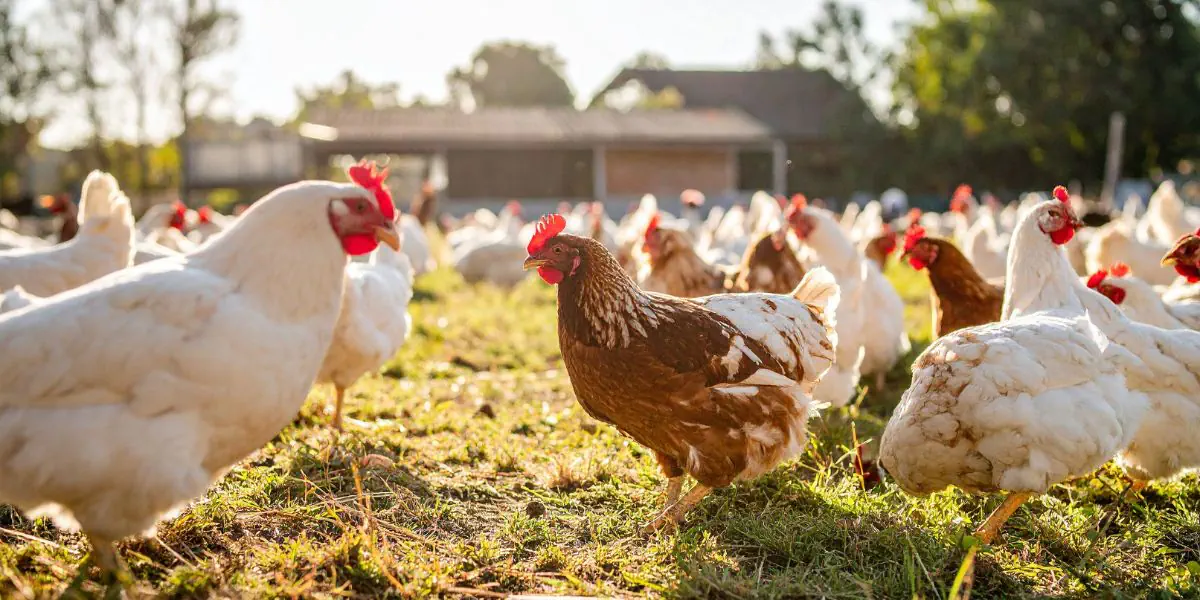
Next, make your way to the chicken coop. Let the chickens out and watch them stretch and roam. Check their water and feed, making sure they’re well-nourished. Collect any eggs you find; fresh eggs are a great start to your day.
These morning tasks not only set a productive tone but also deepen your bond with your animals, ensuring they’re healthy and thriving.
Afternoon Activities: Tending to Gardens and Harvesting
After the morning tasks are complete, it’s time to turn your attention to the gardens. You’ll find this part of the day relaxing and rewarding.
Begin by checking for any weeds that might’ve sprung up overnight—pull them out to keep your plants healthy. Next, inspect your vegetables and fruits for signs of ripeness. If they’re ready, harvest them gently to avoid damage.
Don’t forget to water your plants if the soil feels dry; they’ll appreciate the extra care. While you’re at it, take a moment to enjoy the beauty around you.
Listen to the bees buzzing and admire the vibrant colors of your blooms. This connection to nature is what makes farming so fulfilling.
Evening Check-ins: Ensuring the Well-being of Livestock
Evening check-ins are crucial for ensuring the well-being of your livestock. As the sun sets, take a moment to assess each animal’s condition. Look for signs of distress or illness—watch for unusual behavior or physical issues.
Make sure their feed and water are replenished, and check that their living spaces are clean and secure.
Don’t forget to close up any coops or shelters to protect your chickens from predators. For bees, ensure their hives are intact, and monitor for any signs of disease or pest issues.
These evening routines not only maintain your livestock’s health but also strengthen your bond with them. By being attentive, you’ll catch potential problems early and enjoy a thriving farm.
Seasonal Considerations: Adapting Your Routine Throughout the Year
Managing your farm requires flexibility, especially when the seasons change.
In spring, you’ll want to focus on planting and nurturing your garden, ensuring your bees are active, and preparing your chickens for the warmer weather.
As summer hits, prioritize watering, pest control, and harvesting early crops.
In fall, it’s time to collect seeds, prepare your bees for winter, and stock up on feed for your chickens.
When winter arrives, your routine shifts to maintenance; check on your bees, insulate your chicken coop, and plan next year’s garden.
Each season brings unique challenges and opportunities, so staying adaptable and organized is key to managing your farm effectively year-round.
Embrace these changes, and your farm will thrive.
Conclusion
By integrating your daily tasks of managing bees, chickens, and gardens, you create a vibrant, sustainable ecosystem on your farm. Embrace the rhythm of your morning routines, the satisfaction of afternoon harvests, and the peace of evening check-ins. Remember to adapt your practices with the changing seasons, ensuring everything thrives together. With each step, you’re nurturing not just your crops and animals, but also your connection to the land and the joy of farming.
Trending Products