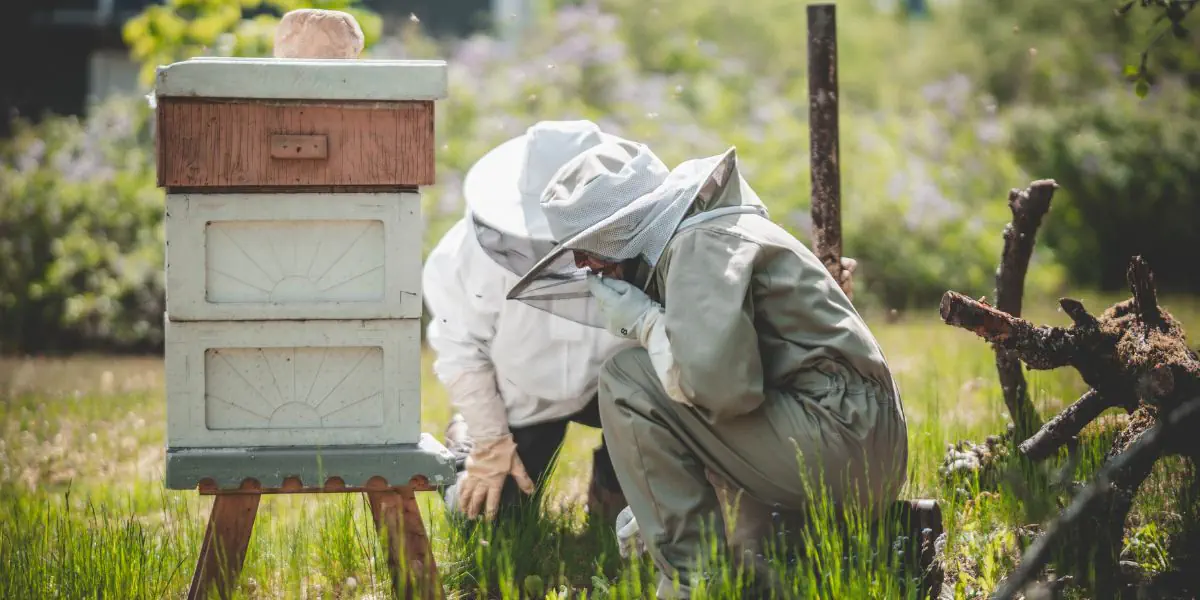
Starting beekeeping at home can seem daunting, but it’s actually quite manageable with the right approach. You’ll need to understand bee biology and behavior, choose the right equipment, and set up your hive properly. Once you get those basics down, maintaining a healthy colony becomes much easier. Curious about how to navigate each step effectively? Let’s break it down together.
Understanding Bee Biology and Behavior
To be a successful beekeeper, you need to grasp the intricacies of bee biology and behavior. Understanding how bees communicate through pheromones and dances is crucial for managing your hive effectively.
You’ll notice that bees work together in a highly organized colony, with distinct roles for the queen, workers, and drones. Observing their patterns can help you identify signs of a healthy hive or potential issues.
For instance, worker bees maintain the hive’s temperature and cleanliness, while the queen lays eggs to ensure the colony’s growth. By paying attention to these dynamics, you can anticipate the needs of your bees, ensuring their well-being and productivity.
A solid foundation in bee biology will enhance your beekeeping experience and yield better results.
Choosing the Right Equipment for Your Hive
When selecting equipment for your hive, it’s essential to consider your specific needs and local conditions.
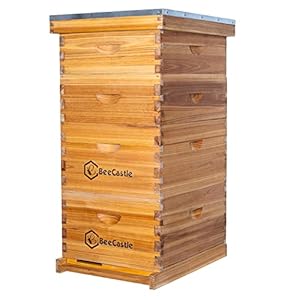
Start with a good-quality hive, such as Langstroth, Top-bar, or Warre, depending on your space and preferences. You’ll also need protective gear, including a suit, gloves, and a veil to keep yourself safe while working.
Don’t forget essential tools like a hive tool for inspections, a smoker to calm the bees, and a bee brush for gentle handling. Additionally, invest in a feeder to support your bees during nectar shortages.
Lastly, consider purchasing a bee book or joining a local beekeeping club for ongoing support and information. Choosing the right equipment sets the foundation for a successful beekeeping experience.
Setting Up Your Backyard Hive
Setting up your backyard hive is an exciting step in your beekeeping journey. Start by choosing a sunny spot that’s sheltered from strong winds.
Ensure the area has good drainage and is easily accessible for maintenance. Position your hive at least three feet off the ground to discourage pests and provide a stable base.
Next, assemble your hive according to the manufacturer’s instructions, making sure it’s level. Once it’s set up, place an entrance reducer to help the bees defend their new home.
Don’t forget to install a bee feeder if necessary, especially during early spring. Finally, check local regulations regarding hive placement and ensure you’re compliant before introducing your bees.
Happy beekeeping!
Maintaining a Healthy Bee Colony
Maintaining a healthy bee colony requires regular attention and care, as your bees depend on you for their survival and productivity.
Start by monitoring the hive regularly, checking for signs of disease or pests like Varroa mites. Ensure your bees have enough food, especially during winter; feed them sugar syrup or pollen patties if necessary.
Keep the hive clean and dry to prevent mold and other issues. Also, inspect the queen’s health and egg-laying patterns to ensure a strong colony.
Rotate frames to promote good airflow and prevent overcrowding.
Finally, stay educated on beekeeping practices and local regulations, as this knowledge will help you adapt to changes and maintain a thriving bee colony.
Your commitment will pay off in honey and pollination!
Conclusion
Starting your beekeeping journey can be an exciting and fulfilling experience. By understanding bee biology, selecting the right equipment, and properly setting up your hive, you’ll create a thriving environment for your bees. Remember to keep an eye on their health and stay engaged with the beekeeping community for support and knowledge. With dedication and care, you’ll not only enjoy the sweet rewards of honey but also contribute to the well-being of these essential pollinators.
Trending Products